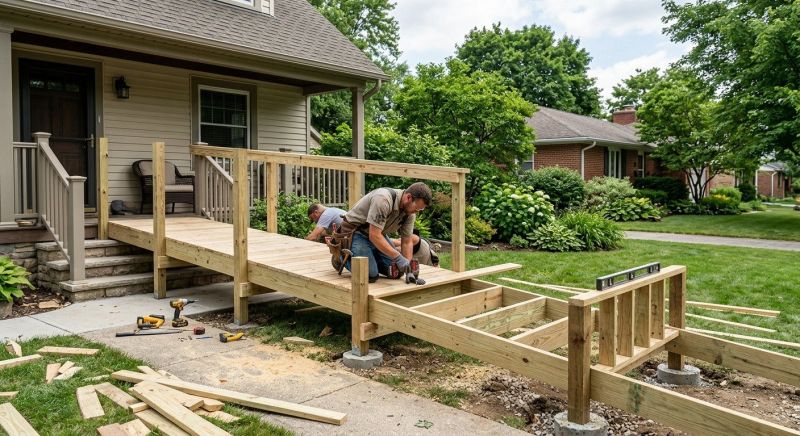
Handicap Ramp Replacement in Wilmington, NC
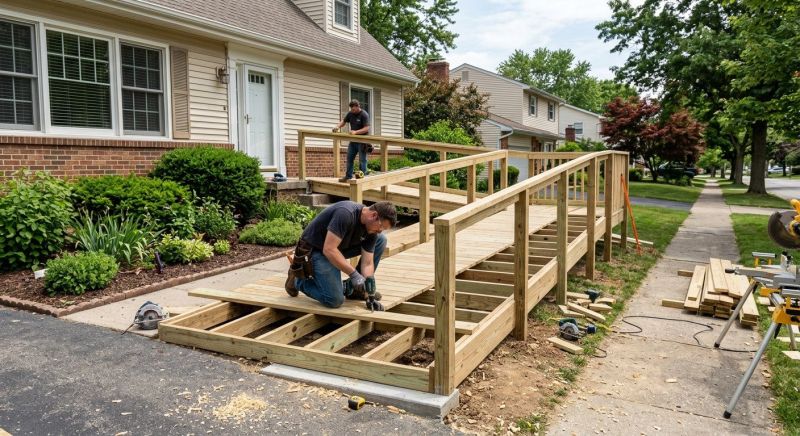
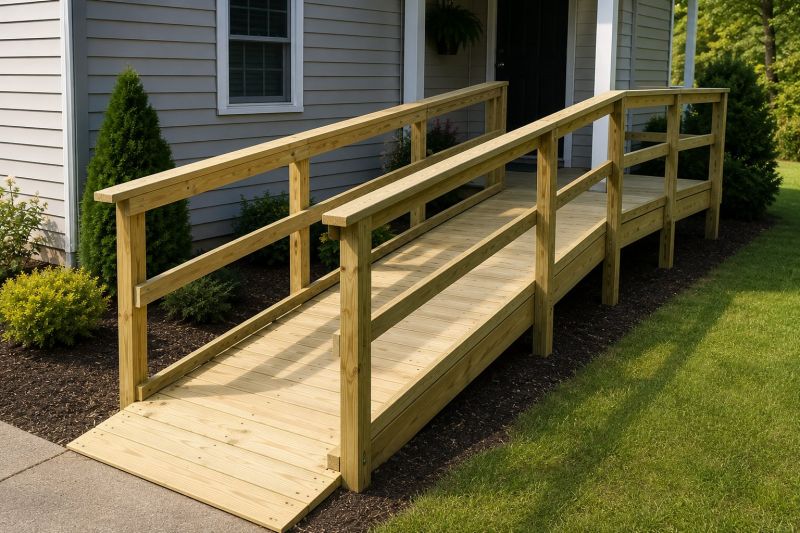
Handicap ramp replacement services involve removing outdated or damaged ramps and installing new, accessible solutions that meet current standards. These projects typically cover replacement of existing ramps at residential properties, including modifications to improve safety, stability, and ease of use. Property owners often seek this service when their current ramp no longer functions properly, has become unsafe, or no longer accommodates changing mobility needs. It’s important for homeowners to understand the scope of work, including the materials used, the compatibility with existing structures, and any necessary permits or code requirements before requesting a replacement.
Before requesting handicap ramp replacement, property owners should consider the specific accessibility needs of the individual using the ramp, the layout of the property, and any future mobility considerations. Understanding the dimensions, slope, and surface material of the new ramp can help ensure it provides safe and comfortable access. Additionally, knowing whether modifications to the surrounding area or foundation are needed can influence the scope of the project. Clear communication about these details can help facilitate a smooth replacement process that enhances safety and accessibility for years to come.
Many property owners in Wilmington, NC look into Handicap Ramp Replacement for repairs, replacements, upgrades, and appearance-related improvements.
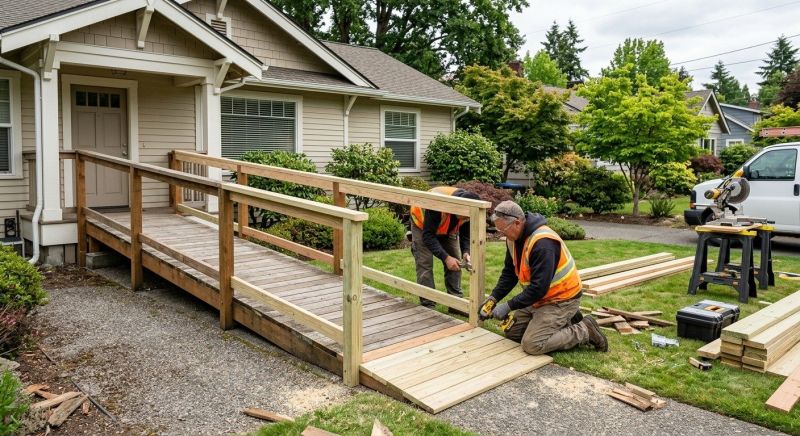
Accessibility Improvements
Replacing worn or damaged ramps enhances safety and accessibility for all users.
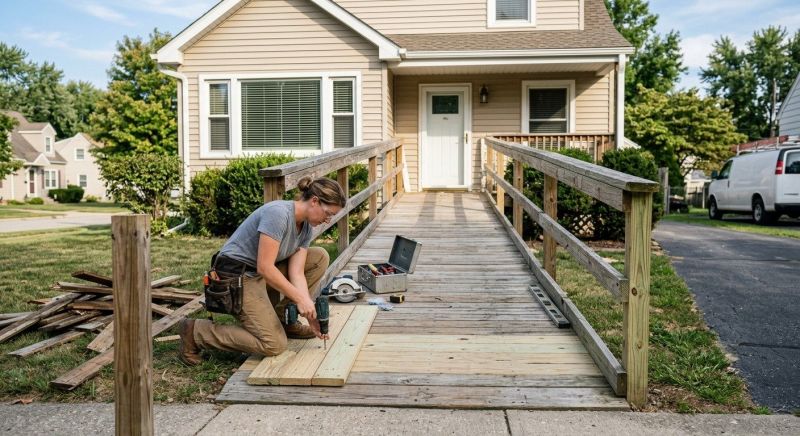
Custom Ramp Solutions
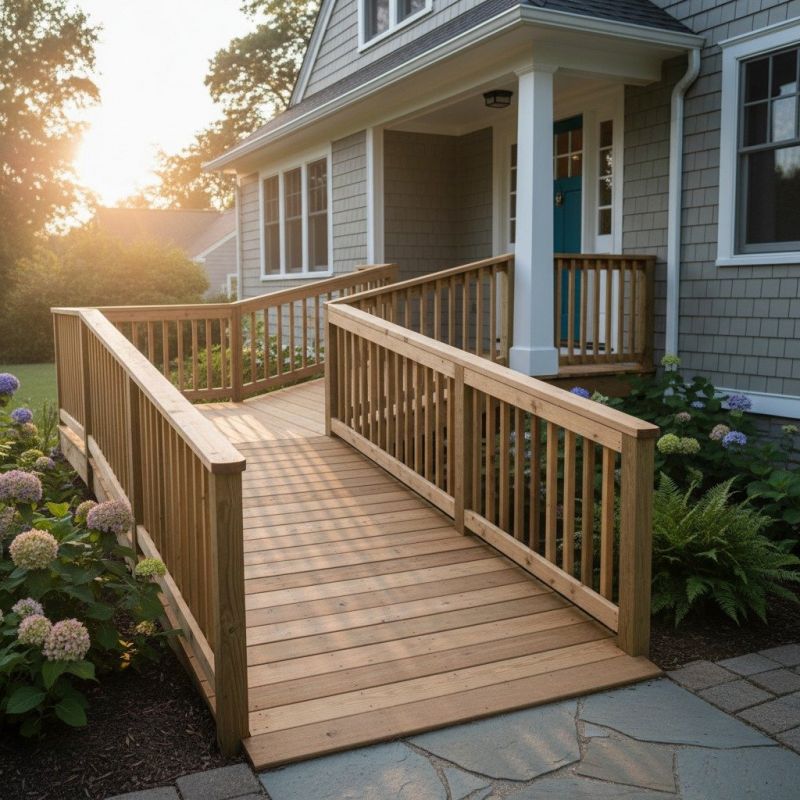
Tailored replacement options ensure the ramp fits the specific needs of your property.
Property Value Enhancement
Upgrading handicap ramps can increase the safety and value of residential and commercial properties in wilmington, nc.
Handicap Ramp Replacement in Wilmington, NC
Handicap ramp replacement services involve removing outdated or damaged ramps and installing new, accessible solutions that meet current standards. These projects typically cover replacement of existing ramps at residential properties, including modifications to improve safety, stability, and ease of use. Property owners often seek this service when their current ramp no longer functions properly, has become unsafe, or no longer accommodates changing mobility needs. It’s important for homeowners to understand the scope of work, including the materials used, the compatibility with existing structures, and any necessary permits or code requirements before requesting a replacement.
Before requesting handicap ramp replacement, property owners should consider the specific accessibility needs of the individual using the ramp, the layout of the property, and any future mobility considerations. Understanding the dimensions, slope, and surface material of the new ramp can help ensure it provides safe and comfortable access. Additionally, knowing whether modifications to the surrounding area or foundation are needed can influence the scope of the project. Clear communication about these details can help facilitate a smooth replacement process that enhances safety and accessibility for years to come.
Many property owners in Wilmington, NC look into Handicap Ramp Replacement for repairs, replacements, upgrades, and appearance-related improvements.
Common Handicap Ramp Replacement Jobs
Handicap Ramp Replacement - Upgrading existing ramps to improve accessibility and safety.
Residential Ramp Replacement - Replacing worn or outdated ramps for easier home entry.
Commercial Ramp Replacement - Updating business entrances to meet accessibility standards.
Custom Ramp Replacement - Installing tailored ramps to fit specific property needs.
Portable Ramp Replacement - Replacing temporary ramps for ongoing mobility support.
Safety-Enhancing Ramp Replacement - Ensuring ramps meet safety codes and provide secure access.
Handicap Ramp Replacement Questions
What types of handicap ramp replacements are available? Replacement options include modular, permanent, and portable ramps designed to meet different accessibility needs.
How can I tell if a ramp needs replacement? Signs include structural damage, instability, or if the ramp no longer complies with safety standards.
What materials are used for handicap ramp replacements? Common materials include aluminum, wood, and steel, chosen for durability and safety.
What should property owners consider before replacing a ramp? Factors include the property's layout, user mobility requirements, and local building codes.
Request Handicap Ramp Replacement in Wilmington, NC
Use the quote form on this page to share the basics of your project and request more information for the type of work you need.