Get Wood Ramp Installation
Local contractors can install wooden ramps to improve accessibility, address mobility challenges, and handle projects like residential, commercial, or outdoor ramp installations.
Wood ramp installation services are a practical solution for property owners seeking to improve accessibility and safety around their homes or commercial spaces. Whether planning for a renovation, accommodating mobility needs, or enhancing entryways, many find that professional installation ensures a durable and well-crafted result. Exploring local contractors who specialize in this work can help property owners compare options and find the right fit for their specific project requirements.
Considering local service providers allows property owners to evaluate a range of expertise and experience in wood ramp installation. By reviewing available options, individuals can identify professionals who understand the unique needs of their area and property type. Continuing to explore this work can lead to a well-informed decision that supports accessibility, safety, and long-term functionality.
- Residential Homeowners - may need wood ramp installation to improve accessibility for family members or visitors with mobility challenges.
- Senior Living Facilities - often require durable ramps to ensure safe and convenient access for residents with limited mobility.
- Commercial Property Managers - might seek wood ramps to provide accessible entry points for customers, employees, or guests.
- Renovation Projects - involve installing ramps to comply with accessibility standards during property upgrades or modifications.
- Event Venues - may require temporary or permanent wood ramps to accommodate guests with mobility devices.
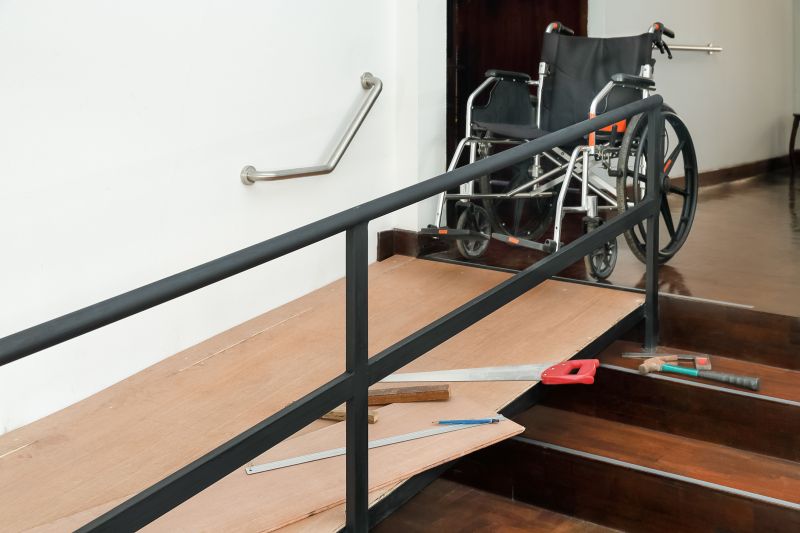
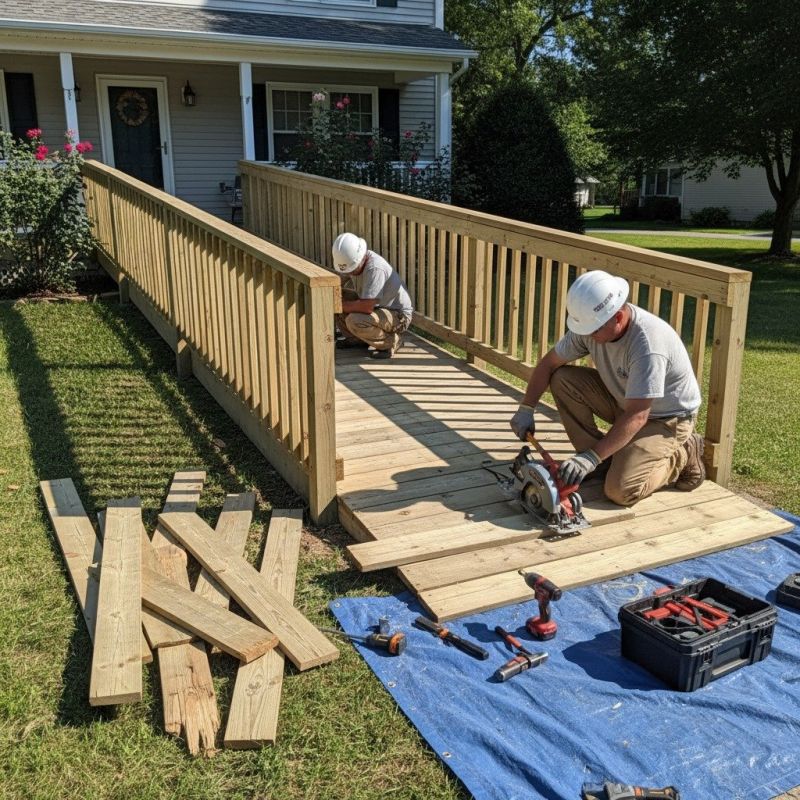
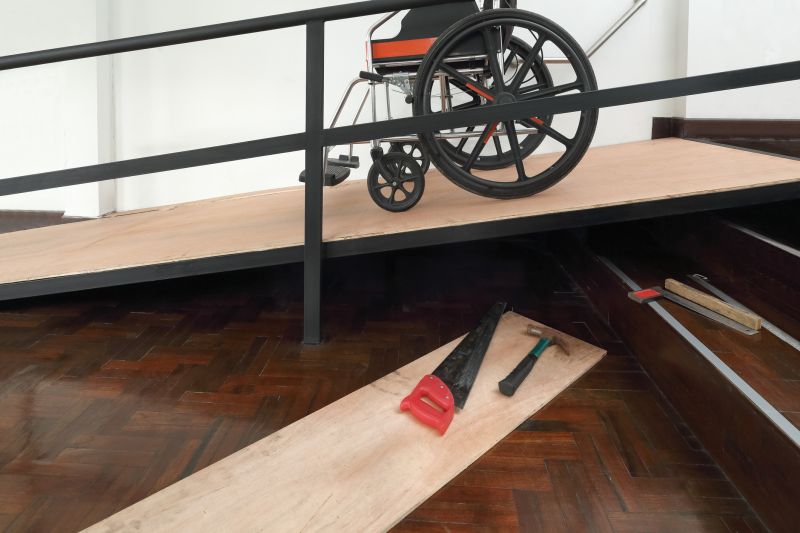
Wood ramp installation services involve constructing custom-access ramps made primarily from durable wood materials to provide safe and stable entryways to buildings. These ramps are designed to accommodate various accessibility needs, whether for individuals with mobility challenges, temporary injuries, or for easier movement of heavy items. Skilled contractors assess the property’s layout and determine the best placement and incline to ensure the ramp is functional, safe, and compliant with practical standards. The installation process typically includes measuring the area, preparing the foundation, and securely assembling the wooden components to create a smooth, reliable surface.
This service helps address common problems faced by homeowners and property managers who need easier access to their buildings. For example, homes with steps or uneven ground can pose difficulties for elderly residents, people with disabilities, or those using mobility aids like wheelchairs or walkers. Additionally, wood ramps can be a practical solution for temporary needs, such as during home renovations or recovery periods. Properly installed ramps can prevent accidents caused by tripping or slipping, making everyday entry safer and more manageable for everyone.
Properties that often benefit from wood ramp installation include single-family homes, multi-unit residential buildings, and commercial properties with entryways that lack ramps or have steps. Homes situated on uneven terrain or with existing stairs are common candidates for this upgrade. Commercial establishments, such as retail stores, offices, or healthcare facilities, also frequently require accessible ramps to comply with accessibility standards and accommodate visitors or clients with mobility challenges. Regardless of the property type, a well-built wood ramp can significantly improve accessibility and convenience.
Choosing to work with local contractors ensures that the installation is tailored to the specific needs of the property and adheres to local building practices. These service providers are experienced in designing and constructing wood ramps that are sturdy, safe, and suited to the property’s layout. Whether it’s a simple, straightforward ramp or a more complex structure, local pros can help determine the best solution for the situation. Contacting a local contractor can provide homeowners with the expertise needed to enhance accessibility and ensure the project meets practical requirements for safety and usability.
The overview below groups typical Wood Ramp Installation projects into broad ranges so you can see how smaller, mid-sized, and larger jobs often compare in your area.
In many markets, a large share of routine jobs stays in the lower and middle ranges, while only a smaller percentage of projects moves into the highest bands when the work is more complex or site conditions are harder than average.
Smaller Repairs - Most routine wood ramp repairs, such as replacing a few boards or fixing handrails, typically cost between $250 and $600. These projects are common and usually fall within the middle of the cost range. Fewer jobs reach the higher end of this spectrum.
Partial Replacement - When replacing sections of a wood ramp or upgrading specific components, local contractors often charge between $600 and $2,000. Many projects land in this range, though larger or more complex jobs can go higher.
Full Ramp Replacement - Complete replacement of an existing wood ramp generally costs between $2,000 and $5,000. Larger, more intricate projects can exceed this range, but most fall within the mid to high thousands.
Custom or Complex Installations - Custom-designed or complex wood ramp installations, especially those requiring additional features or permits, can range from $5,000 and up. These are less common and tend to be on the higher end of the cost spectrum.
Actual totals will depend on details like access to the work area, the scope of the project, and the materials selected, so use these as general starting points rather than exact figures.
Deck and Porch Construction - Building decks and porches involves similar carpentry skills, planning, and use of tools as installing wood ramps, ensuring safe and durable structures.
Staircase and Handrail Installation - Installing staircases and handrails requires precise measurements and carpentry expertise, paralleling the skills used in ramp construction projects.
Accessibility Ramp Building - Creating ramps for commercial or public spaces involves planning and construction techniques comparable to residential wood ramp installations.
Wood Flooring Installation - Laying hardwood floors demands careful planning and precise craftsmanship, skills that are also essential in ramp installation work.
Fence and Gate Construction - Building fences and gates involves carpentry, planning, and material handling similar to constructing functional and safe ramps.
Outdoor Staircase Construction - Designing and building outdoor stairs requires structural planning and carpentry skills akin to those used in ramp projects.
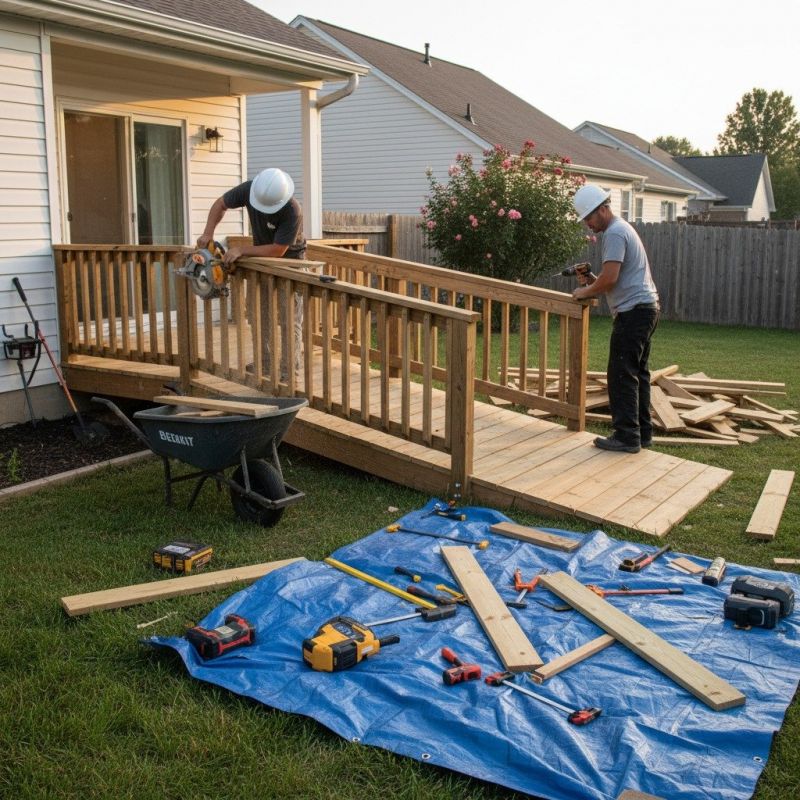
When comparing local contractors for wood ramp installation, it’s important to consider their experience with similar projects. Homeowners should look for service providers who have a proven track record of successfully completing ramps that match the specific needs of their property and mobility requirements. Asking about previous work or requesting examples of completed projects can provide insight into their familiarity with different ramp styles and site conditions, helping to ensure the chosen professional has the relevant expertise.
Clear, written expectations are essential to a smooth project process. Homeowners should seek service providers who can provide detailed estimates and scope of work in writing. This documentation should outline materials, dimensions, and any other relevant details to prevent misunderstandings. Having a transparent plan helps ensure both parties are aligned on the project's scope and can serve as a reference throughout the installation process.
Reputable references and good communication are key factors when selecting local contractors. Homeowners are encouraged to ask for references from previous clients to gauge the quality of work and reliability of the service provider. Additionally, effective communication-such as prompt responses to questions and clarity in explanations-can significantly impact the overall experience. By focusing on these aspects, homeowners can connect with trusted professionals capable of delivering a well-executed wood ramp installation tailored to their needs.
Property owners use Wood Ramp Installation services for practical projects around their homes and businesses. This guide focuses on everyday jobs and straightforward project options.
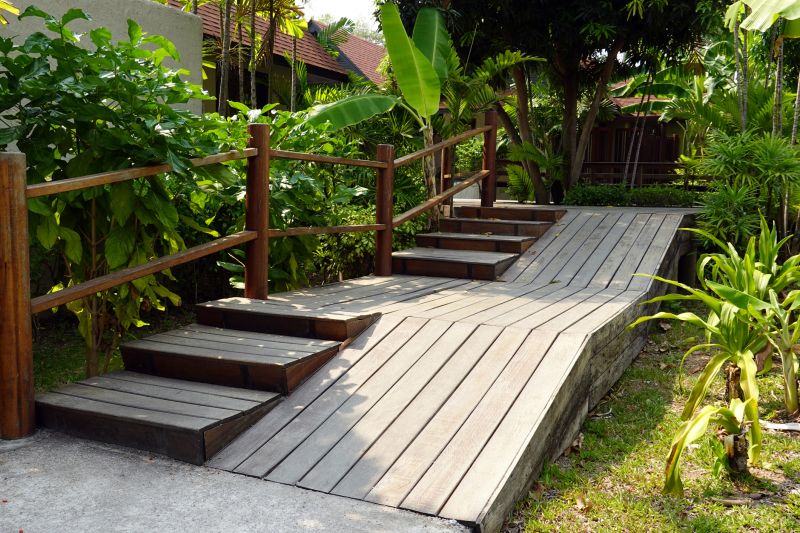
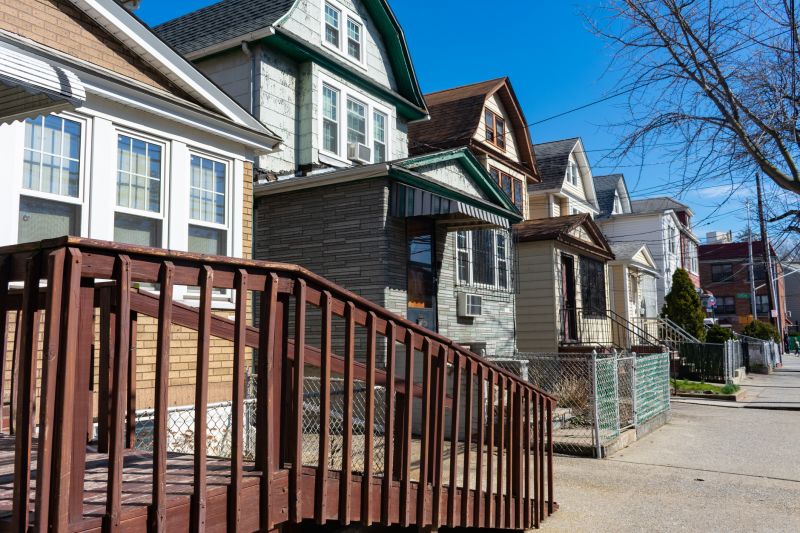
Wood ramp installation is a common need for property owners who want to improve accessibility around their homes or businesses. Whether installing a new ramp to accommodate a family member with mobility challenges or replacing an aging structure, local contractors can provide solutions that enhance safety and convenience. These projects often arise from situations like making entrances wheelchair accessible, creating easier access for strollers or carts, or upgrading existing ramps to meet current needs.
Many property owners seek out local service providers for wood ramp installation when they need a durable, functional solution that blends with their property’s design. Simple reasons include accommodating visitors or residents with mobility devices, ensuring compliance with accessibility standards, or replacing worn-out ramps that no longer serve their purpose. Local contractors are equipped to handle various project sizes, ensuring that installations are built to suit specific property requirements.
What types of wood are commonly used for ramp installations? Local contractors typically work with a variety of woods such as pressure-treated lumber, cedar, and composite materials, depending on the project's needs and durability preferences.
What should be considered when designing a wood ramp? Factors like slope, length, width, and surrounding landscape are important to ensure the ramp is safe, accessible, and suited to the specific location.
Are there building codes or regulations for wood ramp installations? Many areas have local building codes that specify requirements for ramp slope, handrails, and surface materials, which local service providers are familiar with.
Can existing structures be incorporated into a new wood ramp design? Yes, experienced local contractors can often integrate new ramps with existing steps, decks, or pathways to improve accessibility and aesthetics.
What maintenance is required for a wood ramp? Regular inspections for rot, loose boards, and hardware, along with cleaning and sealing, help extend the lifespan of a wood ramp installed by local service providers.
Wheelchair Ramp Installation - Enhances accessibility for individuals with mobility challenges, making it easier to navigate into homes or businesses.
Front Porch Ramp Setup - Provides a smooth and safe entryway for guests or residents with limited mobility or during temporary recovery periods.
Garage Ramp Construction - Facilitates vehicle access for those with disabilities or heavy equipment, improving overall property usability.
Step-to-Ramp Conversion - Transforms existing stairs into accessible ramps for safer and more convenient entry points around a property.
If you are thinking about Wood Ramp Installation for a property, this guide is meant to help you understand the work, the typical project types, and how different options might fit your plans.
When you are ready, you can use the quote form on this page to share a few details about your project. From there, local pros can review the basics and respond with options that match what you have in mind.